
Advertisements
One in four Americans relies on public health assistance each year. This number shows how important coordinated public health services are. These services have become part of daily life.
This guide maps federal, state, and local public healthcare help. It also covers community health programs, nonprofit efforts, and private partnerships. The goal is to clarify what public health assistance includes.
It covers Medicaid, community health centers, and CDC and HRSA efforts. The guide shows how these healthcare resources work together for the public.
The article outlines major program types, eligibility, and how to apply. It explains funding, technology roles, and successes in vaccination, maternal health, and disease prevention.
The article also looks at challenges like pandemic preparedness, health equity, and rising costs. It suggests practical steps for those wanting to engage or seek help.
Key Takeaways
- Public health assistance includes federal, state, local, nonprofit, and private programs supporting population health.
- Core public health services connect people to care through Medicaid, community health centers, and health departments.
- Major resources include the CDC, HRSA, state health departments, and foundations like the Robert Wood Johnson Foundation.
- Technology and telehealth are expanding access to public healthcare assistance and other healthcare resources for the public.
- Understanding eligibility, funding, and application steps helps individuals and communities access needed services.
What is Public Health Assistance?
The term describes organized programs, policies, and services that protect and improve community health.
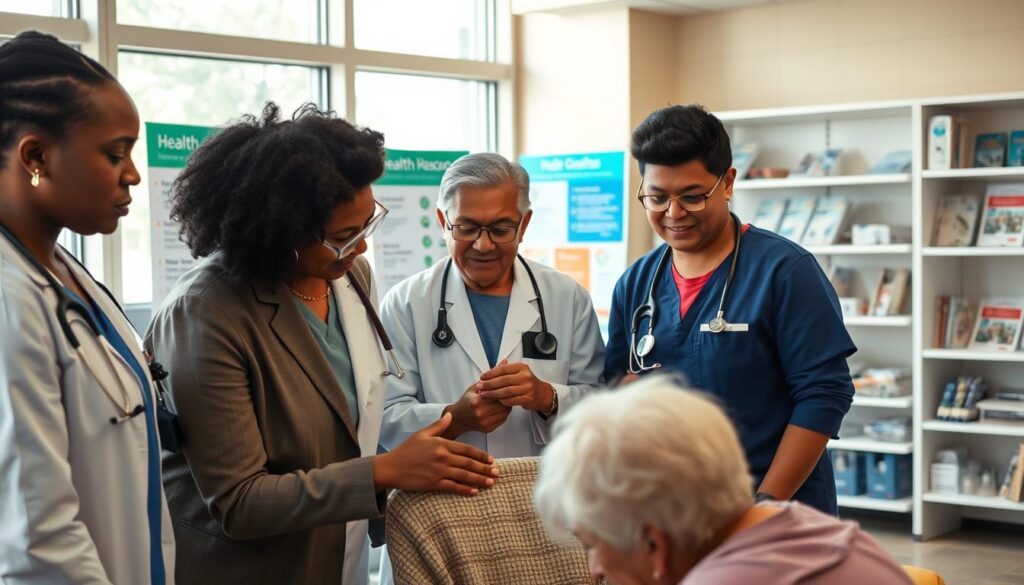
Public health assistance covers direct clinical care at community clinics. It also includes preventive measures like vaccinations and screenings. Social supports such as food aid and housing help are part of it too.
Definition and Overview
Public health assistance includes population-level policies and targeted interventions.
Federal agencies like the Centers for Disease Control and Prevention and the Health Resources and Services Administration collaborate with state and local health departments to deliver public health services.
Federally Qualified Health Centers, nonprofit groups, and private partners expand reach through clinics, outreach, and case management.
The scope blends medical care, prevention, and social programs.
Examples range from community immunization drives to housing programs that reduce health risks.
These efforts rely on government health resources for funding, staffing, and data systems coordination.
The Importance of Public Health Programs
Programs reduce illness and death by focusing on prevention.
Vaccination campaigns and routine screenings catch problems early. This lowers the burden on hospitals and cuts long-term costs.
Targeted services address disparities for rural residents, low-income families, and racial and ethnic minority groups.
Linking clinical care with food assistance, transportation, and housing supports improves outcomes across communities.
| Area of Focus | Typical Services | Main Actors |
|---|---|---|
| Prevention | Vaccinations, screenings, health education | CDC, state health departments, clinics |
| Clinical Access | Community clinics, mobile units, telehealth | FQHCs, hospitals, nonprofits |
| Social Supports | Food assistance, housing referrals, transportation | Local agencies, charities, Medicaid programs |
| Emergency Readiness | Outbreak response, disaster plans, mass vaccination | FEMA, state emergency offices, public health labs |
Types of Public Health Assistance Programs
Public health assistance takes many forms across the United States. Programs range from broad federal initiatives to neighborhood-level efforts.
Each type plays a distinct role in delivering public healthcare assistance. They connect people to health support programs.
Federal vs. State Programs
Federal agencies set rules and fund large efforts. They offer technical support through Medicare, Medicaid, CDC prevention grants, and HRSA funding.
States interpret federal guidance and run local services. State Medicaid offices manage eligibility and benefits. Immunization registries and behavioral health services fall under state agencies.
Emergency response is also managed by states. Differences in Medicaid expansion and benefit design affect access to care.
Community-Based Health Initiatives
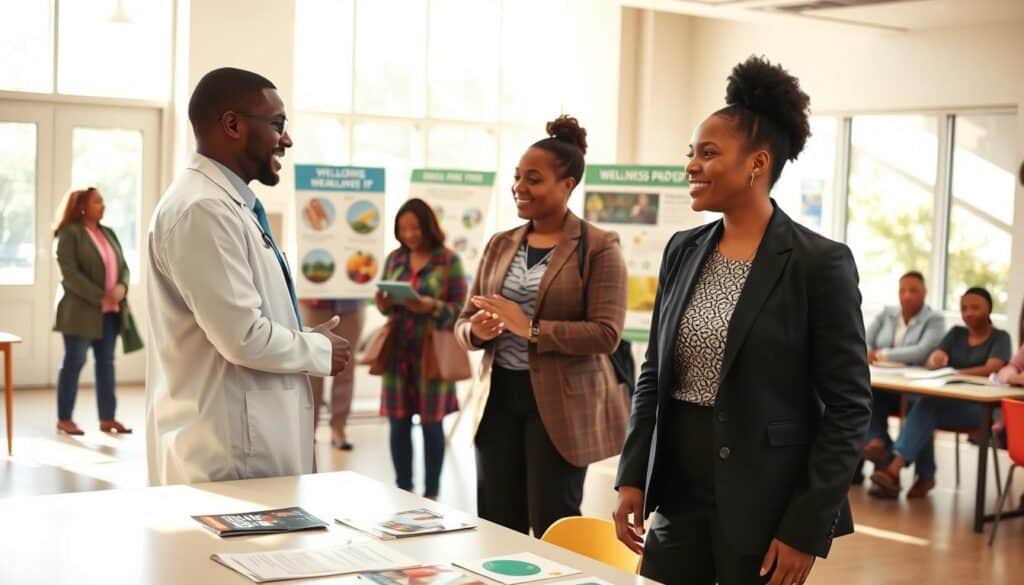
Local health departments, federally qualified centers, school clinics, and mobile units deliver care in neighborhoods. Focus areas include immunizations, nutrition education, and chronic disease management.
They also work on environmental health tasks like lead abatement. Community health workers help residents navigate services. Their outreach builds trust and offers culturally competent education.
Nonprofit Organizations Supporting Health
National nonprofits supplement government efforts. The American Red Cross responds to disasters. The March of Dimes promotes maternal health. The American Cancer Society funds screening and education.
Local health foundations provide grants and direct services. Nonprofits offer advocacy, research funding, and capacity building. Partnerships boost reach and create innovations in public healthcare assistance.
Key Public Health Issues Addressed
Public health assistance tackles many problems affecting whole communities. Programs connect people to primary care, screenings, and education. These efforts depend on partnerships with clinics, schools, and social services to meet local needs.
Access to Healthcare
Barriers to access include cost, distance, and language differences. Medicaid expansions and Federally Qualified Health Centers reduce cost issues. Telehealth and rural clinics help overcome distance problems.
The National Health Service Corps attracts clinicians to underserved areas by offering loan repayment. Programs provide supports like transportation and childcare. Bilingual staff and tailored outreach help more people use services.
Linking healthcare with community outreach improves appointment attendance rates. This also strengthens trust between providers and patients.
Preventative Health Measures
Prevention lowers disease by using vaccines, screenings, and early treatment. The CDC’s immunization schedules and Vaccines for Children program increase vaccination rates. Cancer screenings focus on breast, cervical, and colorectal cancers.
Screenings for hypertension and diabetes detect risks early. Tobacco cessation and harm reduction efforts reduce future healthcare costs. Public campaigns encourage exercise, healthy eating, and regular checkups to boost health.
Health Education and Promotion
Health literacy programs teach people to understand medical advice and make informed choices. School curricula and workplace wellness share reliable health information. Community health workers connect clinics with households.
Culturally sensitive materials increase participation in diverse groups. Combining health education with social services and local public health strengthens communities. This builds resilience and helps people make better health decisions.
| Issue | Common Interventions | Typical Partners |
|---|---|---|
| Access to Care | Medicaid, FQHCs, telehealth, transportation support | State health departments, community clinics, NHSC |
| Preventive Services | Vaccination clinics, cancer screening, chronic disease screening | CDC programs, hospitals, nonprofit health groups |
| Health Education | School programs, community workshops, health literacy training | School districts, community health workers, employers |
| Supportive Services | Childcare at appointments, language access, care coordination | Social services for health agencies, nonprofits, local clinics |
Funding Sources for Public Health Programs
Public health programs rely on several revenue streams to keep services running and grow their impact. Funding decisions shape the services offered in clinics, schools, and community centers.
Knowing these sources helps leaders create stable health programs that meet community needs well.
Government Funding
Federal funds support many health initiatives. Agencies like the Centers for Disease Control and Prevention and the Health Resources and Services Administration provide grants and agreements.
Medicaid and Medicare reimburse eligible clinical care. States and localities add budgeted funds and sometimes give block or categorical grants for maternal health, HIV/AIDS care, and substance use prevention.
During emergencies, Congress can approve extra funds for pandemics and disaster relief.
Private Sector Investments
Hospitals, insurance networks, and companies invest in public health through partnerships and community programs. These efforts often support prevention, screenings, and managing chronic diseases.
Employers fund wellness and prevention at work to lower absenteeism and improve health. Some insurer-led programs align incentives for payers and providers to boost health results.
Grants and Donations
Philanthropic groups such as the Robert Wood Johnson Foundation and Bloomberg Philanthropies offer multi-year grants. These grants support research, innovation, and building capacity.
Local fundraising and donations help nonprofits deliver services and test new projects. Federal agencies and foundation grants often fund new programs that later join bigger public health networks.
Eligibility Criteria for Public Health Assistance
Eligibility for public health assistance depends on the program and state rules. These rules often combine income, health condition, age, and disability status to decide who gets help.
Applicants must provide proof of finances, medical records, and residency when applying for benefits.
Low-Income Requirements
Many programs set income limits based on the Federal Poverty Level. Medicaid and CHIP use these limits to decide if someone qualifies. Federally qualified health centers adjust fees based on income through sliding scales.
State rules vary widely. Some states expand Medicaid to cover more households while others have strict limits. People may qualify for premium tax credits if their income falls within certain ranges under the Affordable Care Act.
Specific Health Conditions
Some programs target specific diagnosed conditions. For example, the Ryan White HIV/AIDS Program supports people living with HIV.
Other public health funds support tuberculosis control, mental health care, and substance use disorder treatment through SAMHSA grants. Eligibility often depends on diagnosis, disease stage, or documented risk.
Chronic disease programs may require medical records to approve treatments. These targeted programs add to general social services for health care.
Age and Disability Considerations
Programs like CHIP serve children, and WIC helps pregnant women and infants. Medicare covers people 65 or older and some younger people with disabilities. Veterans get care through the Department of Veterans Affairs, separate from other programs.
Disability supports include long-term services, home care waivers, and case coordination through Medicaid. These help keep people safe at home and connected to needed medical care.
How Public Health Assistance Works
Public health assistance links people to care through clear steps, varied delivery models, and steady measurement. The process starts with enrollment and then moves to coordinated service delivery. It relies on monitoring to keep programs effective.
This flow helps connect public health services with government health resources and community programs.
Application processes
Applicants take different paths depending on the program. Medicaid and CHIP enroll through state marketplaces or agency portals. Community clinics often accept walk-ins and ask for income and ID for verification.
Disease-specific programs may need a referral or medical records from a treating clinician. Documentation usually includes proof of identity, income, residency, and health records. Help is available from navigators, community health workers, and state helplines to complete forms or fix errors.
These supports boost access to government health resources and local community health programs.
Service delivery models
Care can be clinic-based, mobile, school-linked, workplace-focused, or home-delivered. Federally Qualified Health Centers serve as primary care hubs in many neighborhoods. Mobile outreach brings vaccines and screenings to underserved areas.
Integrated models combine primary care with behavioral health and social services. They use care coordination and case management. These connections help patients get housing support, nutrition assistance, and more social services.
Payment methods vary from fee-for-service to value-based contracts and bundled payments that reward better outcomes.
Monitoring and evaluation
Programs measure impact with metrics like vaccination coverage, screening rates, and fewer readmissions. Funded programs must report results to federal and state agencies through systems like NVSS and HRSA performance reports.
Continuous quality improvement and routine community feedback guide program adjustments. Data-driven review aligns public health services with changing needs. This makes government health resources and community programs more responsive over time.
Successful Public Health Initiatives in the U.S.
The United States has seen clear gains from coordinated public health efforts and targeted community health programs. These programs cover prevention, maternal care, and behavior change. Federal and state agencies work with nonprofits to help vulnerable groups.
The Vaccination Programs
The Centers for Disease Control and Prevention lead vaccination efforts. State immunization programs and the Vaccines for Children program reduce many infectious diseases. School-entry rules and mass immunization clinics increase coverage in communities.
Public education campaigns and quick outbreak responses help limit disease spread. High childhood immunization rates are a strong sign of success.
Maternal and Child Health Services
Programs like WIC and the Title V Maternal and Child Health Services Block Grant improve prenatal care and nutrition. Home visits from nurses and perinatal quality groups support healthy births and growth.
Data show better prenatal care, higher breastfeeding rates, and fewer low-birth-weight babies where these services reach families. These results highlight effective public health support for mothers and infants.
Tobacco Control Efforts
Strong tobacco control uses taxes, smoke-free laws, support services, and mass media to cut smoking rates. State quitlines and Medicaid help low-income people access treatments.
Smoking rates and related illnesses have dropped over time. These improvements lower health costs and show the power of lasting public health programs.
Challenges Facing Public Health Assistance
Public health systems face many hurdles that limit their reach and impact. Tight budgets and gaps in access create barriers for both providers and people who need services. Wavering public trust adds to these challenges. Addressing these issues requires clear priorities, steady funding, and local engagement.
Funding Shortages
Chronic underfunding weakens staffing, disease monitoring, and emergency readiness. When budgets are cut, clinics reduce hours and lose staff. Relying on short-term grants makes long-term planning difficult.
Federal and state priorities often shift funds from prevention to acute care. This leaves public health services without stable investment for workforce growth and upgrades.
Accessibility Issues
Service availability varies widely by geography. Rural counties and tribal lands often lack enough clinics and providers. Limited hours and long travel distances reduce preventive care and screening rates.
Nonfinancial barriers also limit program use. Transportation gaps, language differences, and poor broadband access stop many from using telehealth. Fragmented agency systems make it hard for people to find care, lowering coverage.
Public Perception and Awareness
Misperceptions about public health and skepticism of interventions reduce participation in vaccinations and screenings. Health misinformation spreads fast online, causing doubt about evidence-based advice.
Transparent communication and real community engagement help rebuild trust. Partnerships with health departments, Federally Qualified Health Centers, and trusted leaders improve outreach efforts.
| Challenge | Primary Impact | Examples | Practical Responses |
|---|---|---|---|
| Funding Shortages | Staff cuts, reduced surveillance, unstable programs | Short-term grants; state budget reductions | Multi-year appropriations; public-private partnerships |
| Geographic Barriers | Uneven access to clinics and specialists | Rural provider shortages; long travel times | Mobile clinics; telehealth expansion; transport vouchers |
| Nonfinancial Barriers | Low program uptake despite availability | Language gaps; broadband deserts; limited hours | Bilingual outreach; community hubs; flexible scheduling |
| Public Perception | Reduced participation in prevention programs | Vaccine hesitancy; screening avoidance | Trusted messengers; transparent data sharing; local campaigns |
| Fragmentation | Difficulty navigating services; missed needs | Siloed agencies; duplicative intake processes | Integrated referral systems; one-stop service models |
The Role of Technology in Public Health
Technology changes how public health help reaches communities. Devices like smartphones and cloud platforms enable faster outreach. They also improve care coordination and impact measurement.
Mobile health apps and devices help manage chronic diseases more easily. Health information exchanges and secure APIs let clinicians share records securely. They protect patient privacy while enhancing communication.
Digital Health Innovations
Apps that send vaccination reminders show targeted prevention. Tools for smoking cessation also support healthier choices. Remote sensors and wearables monitor blood pressure and glucose outside clinics.
Privacy, equity of access, and EHR interoperability remain top priorities. Programs focus on these issues when using digital tools.
Telehealth Services
Telehealth expands primary care and mental health access for rural and immobile patients. Medicare and many state Medicaid programs increased reimbursement for virtual visits after 2020. Teleconsultations, remote behavioral health sessions, and virtual case management are now common.
Barriers include uneven broadband, state licensing rules, and maintaining quality online. Investments in infrastructure and clinician training help close these gaps.
Data Collection and Analysis
Surveillance systems, electronic lab reports, and syndromic feeds detect outbreaks quickly. Analytics, GIS mapping, and predictive models help direct vaccines, staff, and supplies where needed.
Secure systems and standardized reporting build trust in data. Training staff in statistics and informatics helps turn data into good public health actions.
The Future of Public Health Assistance
Public health assistance will shift toward models that link medical care with social supports. Leaders expect stronger ties between hospitals, local health departments, and community groups. This change aims to make public health services more responsive to everyday needs.
Trends and Predictions
Value-based care will grow, driving partnerships that address social determinants of health. Telehealth and digital tools will expand efforts to close equity gaps. Mental health, substance use treatment, and climate risks will get more attention.
This focus will include preparedness for new infectious threats.
Policy Changes on the Horizon
Federal and state policies may expand Medicaid in remaining states. Funding for public health infrastructure could also increase. New rules for data sharing and workforce development might support broader program delivery.
Legislation focusing on maternal health and opioid strategies will shape public health priorities.
Community Engagement Strategies
Co-designed interventions with community stakeholders will build trust and improve service use. Community health workers and culturally tailored communication will lead outreach efforts. Local partnerships in health care, education, housing, and business will strengthen multisector approaches.
Ongoing evaluation and clear reporting will show what works and what needs change. Evidence from pilot programs and advocacy will help expand successful public health models. These efforts keep communities at the center.
How to Get Involved in Public Health Efforts
Individuals who want to support public health can find practical ways to help their communities. Local health departments, community clinics, food banks, and groups like the American Red Cross post volunteer opportunities. These include outreach, vaccination clinics, health education, and disaster response roles.
Many roles such as community health workers, clinic assistants, helpline volunteers, and event organizers offer training and background checks. This makes it easier for students and professionals to contribute through internships or practicum placements.
Volunteer Opportunities
Volunteer roles often offer hands-on experience with medical assistance for the community. Volunteers may help at mass vaccination events, run health workshops, or support mobile clinics. These positions build skills and strengthen ties between nonprofits and community health centers.
Advocacy and Awareness Campaigns
Advocacy and awareness campaigns raise public education and promote policy priorities. Citizens can contact officials about Medicaid, attend health board meetings, or join campaigns on vaccination and tobacco cessation. Such advocacy uses data, stories, and coalitions with schools and healthcare providers to create lasting change.
Donating to Health Organizations
Donating to health groups helps expand their programs and resources. Monetary gifts to local health centers, the Robert Wood Johnson Foundation, and disease-specific nonprofits fund outreach and research. In-kind donations like medical supplies and healthy food meet urgent needs.
Donors should check transparency and impact through charity evaluators or annual reports. This ensures contributions match the intended goals and outcomes.