

Advertisements
Unexpectedly, the average U.S. household wastes about 20% of the energy it pays for due to simple fixes and habits.
This waste causes real dollar losses every month and creates opportunities for saving on utilities.
This short guide outlines realistic, budget-friendly steps renters, families, retirees, and small homeowners can take to lower utility bills.
It shows bill savings as a multi-part effort: behavioral changes, home improvements, smarter appliances, provider choices, community programs, and financial planning.
Readers will learn how small actions can reduce kilowatt-hours (kWh), cut heating gas usage, and lower water consumption.
These steps produce immediate savings while covering mid-term benefits from appliances and weatherproofing.
The guide also covers long-term savings from solar, insulation, and tax credits.
This article first explains bills and usage patterns.
Then it covers appliance upgrades, insulation, thermostat strategies, water-saving techniques, and behavior changes.
Next are renewable options, provider reviews, smart meters, community incentives, and long-term planning tips.
Throughout, it highlights practical energy-saving tips, energy-efficient appliances, smart home tech, and ways to cut utility costs.
Key Takeaways
- Small behavior changes can deliver quick utility bill savings.
- Energy-efficient appliances and regular maintenance cut energy use over months.
- Weatherproofing and insulation yield measurable home energy savings long-term.
- Smart thermostats and smart meters help track usage and lower costs.
- Compare providers and explore rebates to maximize lower utility bills.
Understanding Your Utility Bills
Reading a utility bill can feel confusing at first. Understanding common line items helps you find savings. This section explains typical U.S. bills and key terms customers see. It also shows how to spot usage patterns that lower utility bills.

What Do Utility Bills Include?
Electric, gas, water, sewer, and trash bills list different charges. Common items include a base charge and a usage charge billed by units. Electricity often shows cents per kilowatt-hour (kWh). Natural gas bills may list therms. Water bills may show gallons or CCF (hundred cubic feet).
Delivery or distribution fees cover pipes and lines maintenance. Commercial accounts might have demand charges linked to peak use. Taxes, surcharges, and renewable energy fees appear on many utility bills. Late or reconnection fees show when payments are overdue.
Decoding Your Bill: Key Terms Explained
kWh means kilowatt-hour, the unit for electricity use. Therms measure natural gas volume. CCF means hundred cubic feet for water or gas in some areas. Rate tiers charge more as usage increases; time-of-use (TOU) rates charge more during peak hours.
Demand charges bill the highest power draw over a short time for some commercial meters. Peak and off-peak times matter under TOU plans. Meter read versus estimated read shows if the meter was read or usage was estimated; estimates can distort usage. Net metering credits solar owners for energy sent back to the grid.
Recognizing Patterns in Your Usage
Month-to-month comparisons reveal trends. Seasonal changes like summer air conditioning cause spikes. Comparing the same month year-over-year shows abnormal increases due to leaks, inefficient appliances, or billing errors.
Tracking daily use through an online account or smart meter helps spot changes. Weather, household size, and habits like thermostat settings affect patterns. Catching trends early helps reduce utility costs and save on bills.
Energy-Efficient Appliances
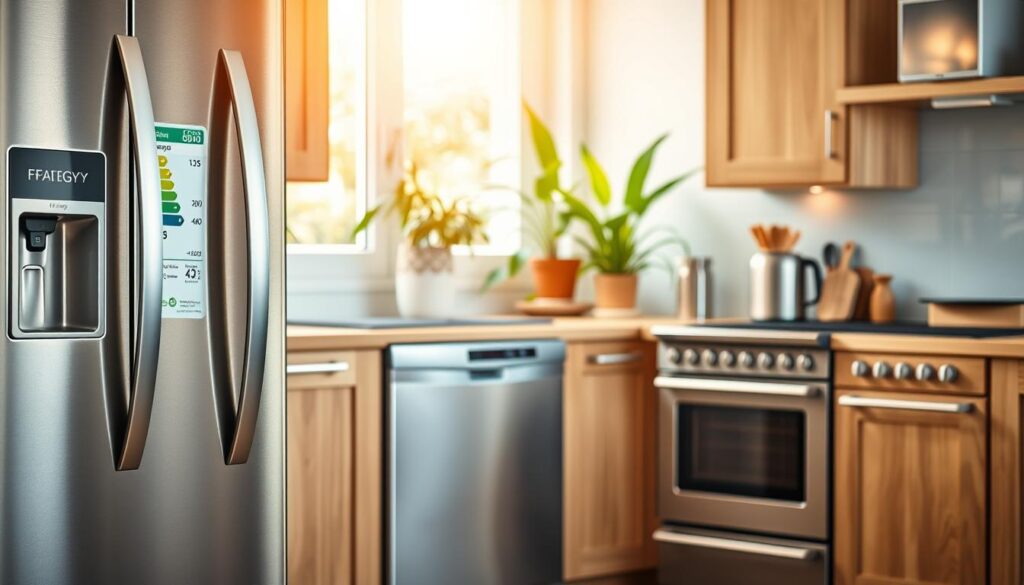
Choosing the right appliances reduces monthly bills. ENERGY STAR is a joint program by the U.S. Environmental Protection Agency and the Department of Energy.
They certify products that meet strict energy performance standards. Homeowners choosing certified appliances like refrigerators and water heaters save energy steadily.
Choosing Energy-Star Certified Products
ENERGY STAR refrigerators use 10–25% less energy than standard models. Dishwashers and clothes washers with the label cut water and power use. High-efficiency heat pumps and water heaters reduce heating needs.
Check the ENERGY STAR label before buying. Compare the Estimated Yearly Energy Use on the yellow EnergyGuide label. Use energystar.gov to compare models and estimate long-term savings.
The Importance of Regular Maintenance
Routine care keeps appliances running efficiently. Clean refrigerator coils and replace HVAC filters every one to three months. Clear dryer vents to avoid airflow restrictions.
Descale water heaters when minerals build up. Follow manufacturer service schedules for major systems. Poor maintenance increases energy use and shortens equipment life.
Small tasks prevent big bills and ensure lasting energy savings.
Smart Home Technology for Savings
Smart plugs, power strips, and connected appliances reduce phantom energy use by scheduling and remote shutoff. Smart washers, dryers, refrigerators, and ovens offer energy-saving modes that finish cycles during off-peak hours.
Integration with Google Home, Amazon Alexa, or Apple HomeKit lets users automate routines and monitor energy use in real time. Efficient hardware combined with smart controls saves money and adds convenience.
Insulation and Weatherproofing
Proper insulation and weatherproofing are key to improving home performance. They slow heat transfer and reduce heating and cooling needs. These upgrades help save energy costs and promote eco-friendly choices.
Even small improvements can cut HVAC runtime and lower utility bills, making a big impact over time.
Benefits of Proper Insulation
Adding or upgrading insulation in attics, walls, and floors slows heat flow between inside and outside. This means heaters and air conditioners run less often.
Typical attic insulation upgrades can reduce heating and cooling energy use by 15% to 25%, depending on climate and home condition.
R-value measures how well insulation resists heat flow. Higher R-values work best in colder areas.
Common insulation includes fiberglass batt for walls and attics, blown cellulose for irregular spaces, and spray foam for tight seals.
Fiberglass is affordable and easy to install. Blown cellulose fills gaps well and insulates effectively. Spray foam seals and insulates but costs more.
Some insulation upgrades qualify for federal or state rebates, making them more affordable.
Sealing Gaps and Cracks
Air leaks cause much of heat loss and gain. Sealing gaps cuts drafts and reduces HVAC runtime, lowering utility bills.
Homeowners should caulk around windows, add weatherstripping to doors, and seal gaps near plumbing and electrical lines.
For larger gaps, use expanding spray foam or foam backer rod plus caulk. Weatherstripping types include felt, V-strip, and adhesive foam. Choose durable options for doors.
Sealing air leaks along with added insulation boosts energy savings and helps reduce overall utility demand.
The Role of Windows and Doors
Windows and doors greatly affect comfort and energy use. Double-pane windows with low-E coatings and argon gas reduce heat transfer and block unwanted solar heat.
Whole-window metrics include U-factor for heat transfer and SHGC for solar heat gain; lower values usually mean better performance in the local climate.
Repair options include adding storm windows, installing quality weatherstripping, and fitting door sweeps.
ENERGY STAR-rated window replacements often deliver the best performance. Payback times vary by climate, window cost, and energy prices.
Insulated exterior doors and tight door frames cut drafts and increase savings.
| Measure | Typical Cost Range (USD) | Estimated Energy Savings | Payback Timeframe |
|---|---|---|---|
| Attic insulation (add R-30 to R-49) | $500–$2,000 | 10%–20% of heating/cooling use | 2–7 years |
| Air sealing (caulk, weatherstripping) | $100–$800 | 5%–15% of heating/cooling use | 1–4 years |
| Blown cellulose insulation | $1,000–$3,000 | 10%–20% depending on cavity fill | 3–8 years |
| Spray foam (targeted areas) | $1,500–$5,000 | 15%–30% in sealed zones | 3–10 years |
| ENERGY STAR window replacement | $300–$1,200 per window | 10%–25% whole-home depending on windows | 5–20 years |
| Insulated exterior door with sweep | $300–$1,000 | Reduces draft-related loss; local impact | 3–10 years |
Adjusting Thermostat Settings
Small changes to thermostat habits can save money on heating and cooling over time. Smart devices help homeowners automate routines and cut wasted runtime. They link comfort to whether someone is home.
The following points explain choices, seasonal setpoints, and practical ways to reduce heating and cooling costs.
Smart Thermostats vs. Traditional Thermostats
Traditional programmable thermostats let you set schedules in advance. Smart thermostats from Nest, Honeywell, and ecobee add adaptive scheduling and machine learning. They include remote control, geofencing, and HVAC integration to cut runtime when the house is empty.
Energy Department studies show smart thermostats can lower heating and cooling energy use by about 10–12% each year. Remote access and alerts help homeowners detect maintenance issues or abnormal runtime early, preventing cost spikes.
Seasonal Temperature Adjustments
Recommended setpoints balance comfort with savings. In winter, set the thermostat near 68°F when people are awake. Lower it several degrees when sleeping or away for more savings.
In summer, aim for about 78°F when home. Raise the setpoint further when the house is empty. Small changes of 1–3°F reduce energy use noticeably without losing comfort.
How to Reduce Heating and Cooling Costs
Use ceiling fans to keep people comfortable at higher summer setpoints. Schedule annual HVAC tune-ups and change filters regularly to keep systems efficient.
Seal gaps around doors and windows, add insulation as needed, and use curtains or blinds to block sunlight. Enable eco or energy-saving modes on thermostats and create schedules that avoid peak-rate periods.
| Strategy | Action | Typical Impact |
|---|---|---|
| Smart thermostat upgrade | Install Nest, ecobee, or Honeywell; enable geofencing and adaptive schedules | About 10–12% heating/cooling energy savings |
| Seasonal setpoints | 68°F awake (winter); 78°F home (summer); larger setbacks when away | Small changes (1–3°F) lower energy use noticeably |
| HVAC maintenance | Annual tune-up, filter replacement, duct inspection | Improves efficiency and prevents costly breakdowns |
| Passive measures | Insulation, sealing gaps, window coverings, ceiling fans | Reduces load on system and helps reduce utility costs |
| Operational habits | Use schedules, enable eco mode, avoid peak runtime | Optimizes runtime and leads to steady savings |
Using these energy-saving tips and smart home tech with regular care can cut utility costs steadily and keep your home comfortable.
Water-Saving Techniques
Smart water use cuts bills and lowers energy use for heating. Simple changes save money on utilities. They help households spend less without big renovations.
Low-Flow Fixtures for Faucets and Showers
Installing low-flow aerators and EPA WaterSense-labeled showerheads saves water and energy by cutting hot water use. A WaterSense faucet aerator reduces flow to 1.5 gpm or less while keeping pressure.
WaterSense showerheads and 1.28 gpf or dual-flush toilets greatly reduce household water use. Brands like Delta, Moen, and Kohler offer WaterSense-certified options.
Typical savings range from 20% to 40% on shower and faucet water use. This also lowers gas or electric water heating costs. These upgrades quickly save utilities and lower utility bills.
Fixing Leaks: A Simple Fix for Big Savings
Small leaks waste water. A slow drip can lose hundreds of gallons every year. A running toilet may leak thousands.
These losses increase water and heating bills when hot water is involved. Homeowners can spot leaks with a meter check and a toilet dye test.
Replacing washers, supply lines, or tank flappers fixes many leaks. Complex problems need a licensed plumber. Fixing leaks saves money fast and supports other water-saving methods.
Efficient Water Heating Practices
Lowering the water heater thermostat to 120°F cuts standby losses. It still meets most home needs. Insulating older tank heaters and hot water pipes reduces heat loss and shortens recovery time.
Switching to tankless or heat-pump water heaters boosts efficiency in many homes. Running full loads in dishwashers and washing machines saves energy. Doing this during off-peak hours cuts energy costs and saves utilities.
Federal tax credits and manufacturer rebates may apply to efficient water heaters. These incentives lower upfront costs. They help homeowners switch quickly to lower utility bills.
Behavioral Changes to Reduce Consumption
Small daily habits can lower household energy use. Simple routine changes offer practical energy-saving tips. These tips help cut utility costs and support long-term savings.
This section outlines easy actions that occupants can adopt without major investments.
The Importance of Turning Off Lights
Turning off lights when no one is in the room reduces wasted energy. Task lighting, like a desk lamp, lights only where needed. It avoids lighting the whole room unnecessarily.
Replacing incandescent bulbs with LED options saves about 75% of energy. LEDs last much longer and need fewer replacements.
Encouraging family members to turn off lights regularly leads to steady energy savings. Over time, this lowers bills without affecting comfort.
Unplugging Devices When Not in Use
Many electronics use power even when turned off but still plugged in. Chargers, game consoles, and cable boxes add to monthly energy use. This is called phantom power or standby power.
Using smart power strips stops power to devices when the main unit is off. Unplug chargers after use to save more energy.
Enable power-saving modes on TVs, laptops, and tablets. These simple steps help reduce utility costs by cutting invisible energy waste.
Using Appliances During Off-Peak Hours
Time-of-use pricing rewards customers who run major appliances during off-peak hours. Dishwashers, laundry machines, and electric vehicle chargers cost less to operate at these times.
Many utilities publish TOU schedules on their websites or bills. Appliance timers and smart plugs can make scheduling easy and automatic.
Using appliances off-peak cuts bills and supports long-term utility savings by combining smart behavior with technology.
| Action | How to Do It | Typical Benefit |
|---|---|---|
| Turn off lights | Use switches, motion sensors, and task lighting | Up to 10% lower lighting portion of bill |
| Switch to LEDs | Replace incandescents with ENERGY STAR LEDs | About 75% less energy; longer lifespan |
| Unplug idle devices | Use smart power strips; unplug chargers | Reduces phantom load; saves a few percent of total use |
| Use power-saving modes | Enable sleep/eco settings on electronics | Lower standby consumption; modest monthly savings |
| Run appliances off-peak | Check utility TOU schedule; set timers or smart plugs | Lower per-kWh cost; meaningful bill reductions |
Understanding Renewable Energy Options
Exploring renewable energy choices helps households plan upgrades. These upgrades can cut costs and reduce carbon emissions.
This section shows practical paths like rooftop installations, shared solar projects, and small wind systems.
Readers learn how each option helps save on utilities and move toward eco-friendly energy.
Is Solar Power Right for You?
Rooftop solar power uses PV panels and an inverter to change sunlight into electricity you can use.
To size a system, consider your average monthly kWh use, roof orientation, tilt, and local sunlight.
A south-facing roof with little shading gives the best energy yield.
Viability also depends on roof age, tree shading, and local rules like net metering and interconnection.
You can finance solar by buying with cash, loans, leases, or power purchase agreements (PPA).
The federal Investment Tax Credit (ITC) often lowers upfront costs where it applies.
Payback times vary by state and utility rates. Homeowners should get multiple quotes from installers like Sunrun or local NABCEP-certified experts.
Comparing proposals helps verify expected production, warranties, and savings on utilities.
Community Solar Programs Explained
Community solar lets renters and homeowners share a solar array and get bill credits without installing panels.
Subscribers can choose subscription models or partial ownership, depending on the program.
This works well for people with unsuitable roofs or shaded areas.
Community solar is available in many U.S. states through utilities or third-party developers.
State energy offices and NREL resources help find local offerings and explain program rules.
Subscribers get solar power benefits and help grow local renewable energy capacity.
Credits show up on utility bills, making it easier to save and support green energy.
Benefits of Wind Energy Solutions
Residential wind turbines need careful siting, wind assessments, and local permits.
Small wind works best in rural or high-wind areas with steady winds and low turbulence.
Community and utility wind farms play bigger roles in clean energy portfolios.
Customers can join green power programs or buy renewable energy certificates without owning equipment.
Choosing wind or solar depends on your location, budget, and energy goals.
Both help expand eco-friendly utilities and save on utility bills long-term.
| Option | Best For | Key Considerations | How It Reduces Bills |
|---|---|---|---|
| Rooftop Solar | Homeowners with sunny, unshaded roofs | Roof condition, system size, net metering, ITC eligibility | Direct generation offsets grid purchases, lowers monthly bills |
| Community Solar | Renters and shaded-roof households | Subscription vs. ownership, local availability, billing credits | Bill credits reduce electricity charges without installation |
| Small Wind | Rural properties with steady high winds | Siting, tower height, permitting, maintenance needs | On-site generation cuts reliance on grid power in windy areas |
| Green Power Programs | Any customer wanting clean energy support | Program cost premium, source verification, contract terms | Supports utility-scale wind/solar and helps lower carbon footprint |
Reviewing Utility Service Providers
Consumers can save money by comparing plans, asking questions, and using negotiation tactics. This helps lower utility costs and improves service transparency. Follow the steps below to learn about comparison tools, bundling, and negotiation.
Exploring Utility Comparison Websites
Begin with state public utility commission websites when checking electricity and gas rates in markets like Texas, Pennsylvania, and New York. These sites list licensed retail providers, current rates, and alerts for consumers.
Third-party sites like EnergySage offer side-by-side views of fixed and variable plans, green energy options, and contract details. Compare early termination fees, introductory rates, and fixed-rate lengths.
Track your usage patterns and choose plans that fit your household needs. Matching your plan correctly can save money over time.
The Savings of Bundled Services
Bundling utilities with internet or phone can offer discounts and simplify billing. Providers such as Comcast, AT&T, and Verizon promote packages that may lower monthly costs.
Compare bundled offers carefully against unbundled ones. Some bundles have long contracts and cancellation fees that may cancel short-term discounts.
Check all costs and see if promotional prices rise after a set time. This helps ensure lasting utility bill savings.
Negotiating Better Rates with Providers
Before calling customer service, review current plans, recent bills, and usage trends. Knowing your peak charges can help in negotiations.
Ask about promotions, loyalty discounts, or budget billing plans that spread payments evenly across the year. Mention competitor offers to request better deals.
Also ask about hardship programs and low-income help. These can reduce costs quickly and prevent late fees while you look for long-term savings.
Implementing Smart Meter Technology
Introducing smart meter technology can change how households view energy use. Digital meters for electricity, gas, and water record consumption fast. They send that data to utilities.
Many major U.S. providers, such as Pacific Gas & Electric and Con Edison, have deployed these meters. These meters replace analog models and reduce estimated reads.
What Are Smart Meters?
Smart meters are digital devices. They log consumption every few minutes or hours. They communicate readings remotely, removing the need for manual meter reading.
This shift improves billing accuracy and helps utilities detect outages faster. Households get clearer bills and move away from estimated usage.
Advantages of Real-Time Usage Data
Access to interval data gives customers accurate billing. It allows them to take part in time-of-use pricing plans. Utilities can spot problems and fix outages faster.
Real-time data supports better grid management and cleaner integration of renewables. Privacy and security matter when sharing fine-grained consumption data.
Consumers should review utility data-use policies. They need to ask about encryption, retention, and third-party sharing. This should happen before enabling full data access.
Monitoring Your Energy Habits
Near real-time readings come through utility portals or apps like Sense. Users can spot high-usage devices quickly. Tracking changes before and after actions shows what saves energy.
Alerts warn of unusual spikes, such as a malfunctioning water heater. This helps prevent waste and high bills. Historical data sets realistic saving targets and measures progress.
Pairing smart meter feedback with smart home technology, like Nest thermostats or Philips Hue controls, enables automated responses that reinforce good habits. Small experiments reveal best results over weeks.
The Role of Community Initiatives
Community initiatives help households access programs that reduce energy use and costs. They connect residents with utility incentives and practical energy-saving tips.
Neighborhood groups and municipal efforts turn individual actions into shared benefits for all.
Local Utility Incentives and Rebates
Many utilities and state energy offices offer rebates for ENERGY STAR appliances, HVAC upgrades, insulation, heat-pump water heaters, and smart thermostats.
Programs from NYSERDA and the California Energy Commission often partner with federal funds to extend benefits.
Residents can find rebates through DSIRE and utility websites. Incentives vary by state and income.
Low-income households may qualify for enhanced rebates or direct-install services to reduce energy costs.
How Community Programs Encourage Savings
Community efforts often use bulk-buy programs for weatherization or solar to lower unit costs.
Buying in groups cuts prices on insulation, windows, and solar panels.
Local home energy audits create clear upgrade plans. Peer engagement builds trust and encourages efficient actions.
Low-income weatherization assistance targets help where it is most needed. Larger projects get better contractor rates and faster scheduling.
This approach leads to measurable progress across whole neighborhoods.
Joining Local Energy Efficiency Workshops
Cities, counties, and nonprofits run workshops teaching DIY weatherproofing, rebate spotting, and reading energy bills.
Habitat for Humanity chapters and community action agencies often host these helpful classes.
Workshops include demonstrations, checklists, and meetings with certified contractors.
Attendees leave with energy-saving tips and clear next steps to reduce utility bills.
| Program Type | Typical Offer | Who Runs It | Main Benefit |
|---|---|---|---|
| Appliance Rebates | Cash back for ENERGY STAR refrigerators and washers | Utility companies, state energy offices | Lower upfront cost for efficient appliances |
| Weatherization Bulk Buys | Discounted insulation and sealing services | Neighborhood coalitions, local governments | Reduced installation cost through volume |
| Low-Income Assistance | Free audits and direct-install measures | Community action agencies, nonprofits | Immediate energy relief for vulnerable households |
| Solar Group Purchases | Lower solar panel pricing and group financing | Community solar organizers, cooperatives | Access to renewable energy at reduced cost |
| Hands-On Workshops | DIY weatherproofing, rebate navigation | Utilities, Habitat for Humanity chapters | Practical skills and networking with contractors |
Tax Incentives and Utility Savings
The right mix of tax incentives and energy credits can make upgrades affordable and speed up payback for homeowners. Federal programs like the Residential Clean Energy Credit cover parts of solar PV and battery storage paired with solar. They also include qualified heat pumps.
Many states and utilities add their own rebates or credits on top. This increases the potential savings on utilities.
Understanding Federal and State Energy Credits
Federal energy credits follow published phase-down schedules and have rules tied to equipment type and installation date. For example, solar PV and certain heat pump installations usually qualify. Advanced storage and biomass stoves may qualify if installed with approved documentation.
State energy offices and utility websites list local offers that stack with federal credits.
Deductions for Energy-Efficient Home Improvements
Tax benefits go beyond credits. Some HVAC systems, insulation, doors, and windows upgrades may qualify for deductions or specific credits. Homeowners should save receipts, manufacturer certification statements, and contractor invoices to support claims when filing.
Filing Your Energy Savings for Maximum Benefit
To claim credits, use the current IRS form for energy credits, such as Form 5695 when needed. Follow the instructions carefully. Keep detailed records, project dates, and serial numbers for equipment when possible.
Combining federal incentives with state rebates and utility offers lowers net costs and improves returns on energy-efficient home improvements. Large projects benefit from consulting a CPA or tax professional to confirm eligibility and timing.
Watch program expiration dates and caps so tax incentives apply before benefits change. Proper planning turns one-time investments into lasting utility savings.
Long-Term Financial Planning for Utilities
Effective long-term planning starts by reviewing past usage. They should collect twelve months of bills. This reveals any seasonal changes and helps find an average monthly cost.
Looking at past use helps make budgeting more accurate. It also shows where to save on utilities.
Creating a budget means setting a baseline based on the average cost. Then add a small buffer of 5–15% for unexpected spikes.
Tools like Mint, YNAB, or a spreadsheet can help categorize electricity, gas, water, and waste expenses. Tracking these regularly keeps the budget realistic and helps lower bills.
An emergency fund is important for sudden costs such as HVAC failures or major leaks. Start with $500–$1,000, then grow it to cover one to three months of utility and household expenses.
This fund avoids the need for high-interest credit. It also helps protect your overall household finances.
Setting measurable savings goals turns plans into results. Short-term goals focus on behavior changes, medium goals on appliance upgrades, and long-term goals on solar or better insulation.
Track progress every quarter. Combining technical upgrades with daily habits boosts long-term savings and lowers utility costs sustainably.
FAQ
What are the most practical ways to save on utility bills right away?
How can someone understand and decode their utility bill?
Are ENERGY STAR appliances worth the investment for reducing utility costs?
How important is regular appliance maintenance for home energy savings?
Can smart home technology really reduce utility bills?
What insulation and weatherproofing improvements deliver the best returns?
How should a household set thermostat temperatures to save energy without sacrificing comfort?
What water‑saving measures reduce both water and energy bills?
How much can behavioral changes like unplugging devices and shifting appliance use to off‑peak hours save?
Is rooftop solar a good option for every homeowner trying to lower utility bills?
What is community solar and who benefits from it?
How can customers compare utility providers and plans to reduce costs?
What are the benefits of smart meters and interval data for energy savings?
Where can residents find local incentives, rebates, or community programs for energy upgrades?
What federal and state tax incentives apply to home energy improvements?
How should a household budget and plan for long‑term utility savings?
FAQ
What are the most practical ways to save on utility bills right away?
Immediate, low-cost steps include lowering thermostat settings a few degrees. Switching to LED bulbs, sealing gaps and weatherstripping doors and windows also helps. Fixing leaks and unplugging idle electronics produce instant savings in kilowatt-hours (kWh) and reduce water use.
These changes lower monthly bills while preparing for mid‑ and long‑term upgrades.
How can someone understand and decode their utility bill?
A typical U.S. utility bill lists base charges, usage fees per kWh, therm, or gallon, delivery fees, taxes, and surcharges. Sometimes, it also includes renewable or public benefit charges.
Key terms include kWh (kilowatt‑hour), therm, CCF, rate tiers, time‑of‑use (TOU) rates, demand charges, peak vs. off‑peak, estimated vs. meter read, and net metering. Comparing month‑to‑month and last‑year usage helps find patterns or errors.
Checking your provider’s online portal (like PG&E, Con Edison, or Duke Energy) shows interval data and past statements.
Are ENERGY STAR appliances worth the investment for reducing utility costs?
Yes. ENERGY STAR‑certified refrigerators, dishwashers, washers, HVAC systems, and water heaters use 10–25% less energy. This lowers kWh consumption and long‑term bills.
Buyers should compare the ENERGY STAR label and yellow EnergyGuide to estimate yearly usage. Also, check local energy prices and available rebates or tax incentives.
How important is regular appliance maintenance for home energy savings?
Routine maintenance is very important. Cleaning refrigerator coils, replacing HVAC filters every 1–3 months, and cleaning dryer vents keep appliances efficient.
Descaling water heaters and scheduling manufacturer‑recommended service help too. Poorly maintained appliances use more energy, raise bills, and shorten equipment life, increasing costs.
Can smart home technology really reduce utility bills?
Yes. Smart thermostats like Nest, ecobee, and Honeywell allow scheduling, geofencing, and remote control. Smart plugs and power strips reduce energy use by cutting phantom loads.
Connected appliances offer energy‑saving modes and usage monitoring. These can lower heating and cooling costs by 10–12% and reduce standby power waste.
What insulation and weatherproofing improvements deliver the best returns?
Upgrading attic insulation offers the fastest payback by reducing heating and cooling loads. Using the right R‑value and sealing gaps with caulking, weatherstripping, or spray foam reduces air leaks.
Adding storm windows, low‑E coatings, ENERGY STAR window replacements, and insulated exterior doors cuts drafts and HVAC run time. Rebates or tax credits improve costs.
How should a household set thermostat temperatures to save energy without sacrificing comfort?
Use modest setbacks: about 68°F while awake in winter and lower when asleep or away. In summer, set about 78°F when home. Small changes of 1–3°F produce savings.
Smart thermostats automate schedules, learn habits, and optimize for time‑of‑use pricing, reducing heating and cooling energy use.
What water‑saving measures reduce both water and energy bills?
Install low‑flow faucet aerators and EPA WaterSense showerheads. Upgrade to 1.28 gpf or dual‑flush toilets. Fix dripping faucets and running toilets.
Lower water heater temperature to 120°F. Insulate hot water pipes and use efficient water heaters like tankless or heat‑pump models to cut hot-water energy use. Leak checks can yield quick savings.
How much can behavioral changes like unplugging devices and shifting appliance use to off‑peak hours save?
Eliminating phantom loads with smart power strips or unplugging idle chargers cuts unnecessary energy use. Running dishwashers, laundry, and EV charging during off‑peak hours lowers costs.
Combined, these habits provide meaningful month‑to‑month savings without spending money on upgrades.
Is rooftop solar a good option for every homeowner trying to lower utility bills?
Not always. Solar depends on roof condition, orientation, shading, local sun levels, net‑metering rules, interconnection policies, and financing options. When possible, rooftop PV cuts bills and offers payback with tax credits and rebates.
Renters or those with unsuitable roofs can join community solar subscriptions to get bill credits without installing panels.
What is community solar and who benefits from it?
Community solar lets customers subscribe to a shared offsite solar array. They receive bill credits for their share of the solar energy produced.
This option suits renters, shaded‑roof households, and those who prefer not to install panels. Subscription models vary by state. Resources at state energy offices and NREL list local options and enrollment information.
How can customers compare utility providers and plans to reduce costs?
In states with retail choice, use public utility commission sites and trusted tools to compare fixed and variable plans, green options, and contracts.
Look at estimated yearly costs, check for early termination fees, and weigh bundled services. In regulated markets, ask your utility about budget billing, levelized payments, and assistance programs.
What are the benefits of smart meters and interval data for energy savings?
Smart meters record energy use in short intervals and send data to utilities. This enables accurate bills, fast outage detection, and time-of-use pricing.
Access to near real‑time usage via portals or apps helps identify high energy devices, verify savings, and set alerts for spikes. This improves accountability and cuts consumption.
Where can residents find local incentives, rebates, or community programs for energy upgrades?
Find incentives at utility websites, state energy offices, and the DSIRE database. Local programs offer rebates for ENERGY STAR appliances, smart thermostats, insulation, and heat‑pump water heaters.
Bulk-buy weatherization campaigns and low-income assistance are common too. Workshops from utilities, nonprofits, and community agencies give practical advice and contractor referrals.
What federal and state tax incentives apply to home energy improvements?
Federal incentives include the Residential Clean Energy Credit for solar PV and other qualified tech. Heat pumps and energy-saving equipment may qualify for credits or deductions.
Many states and utilities add rebates or tax credits. Claiming benefits requires saved receipts, manufacturer certification, and following IRS rules or consulting a tax expert.
How should a household budget and plan for long‑term utility savings?
Track bills for 12 months to find average costs and seasonal changes. Build a budget with a 5–15% buffer for cost spikes.
Create an emergency fund of 0–
FAQ
What are the most practical ways to save on utility bills right away?
Immediate, low-cost steps include lowering thermostat settings a few degrees. Switching to LED bulbs, sealing gaps and weatherstripping doors and windows also helps. Fixing leaks and unplugging idle electronics produce instant savings in kilowatt-hours (kWh) and reduce water use.
These changes lower monthly bills while preparing for mid‑ and long‑term upgrades.
How can someone understand and decode their utility bill?
A typical U.S. utility bill lists base charges, usage fees per kWh, therm, or gallon, delivery fees, taxes, and surcharges. Sometimes, it also includes renewable or public benefit charges.
Key terms include kWh (kilowatt‑hour), therm, CCF, rate tiers, time‑of‑use (TOU) rates, demand charges, peak vs. off‑peak, estimated vs. meter read, and net metering. Comparing month‑to‑month and last‑year usage helps find patterns or errors.
Checking your provider’s online portal (like PG&E, Con Edison, or Duke Energy) shows interval data and past statements.
Are ENERGY STAR appliances worth the investment for reducing utility costs?
Yes. ENERGY STAR‑certified refrigerators, dishwashers, washers, HVAC systems, and water heaters use 10–25% less energy. This lowers kWh consumption and long‑term bills.
Buyers should compare the ENERGY STAR label and yellow EnergyGuide to estimate yearly usage. Also, check local energy prices and available rebates or tax incentives.
How important is regular appliance maintenance for home energy savings?
Routine maintenance is very important. Cleaning refrigerator coils, replacing HVAC filters every 1–3 months, and cleaning dryer vents keep appliances efficient.
Descaling water heaters and scheduling manufacturer‑recommended service help too. Poorly maintained appliances use more energy, raise bills, and shorten equipment life, increasing costs.
Can smart home technology really reduce utility bills?
Yes. Smart thermostats like Nest, ecobee, and Honeywell allow scheduling, geofencing, and remote control. Smart plugs and power strips reduce energy use by cutting phantom loads.
Connected appliances offer energy‑saving modes and usage monitoring. These can lower heating and cooling costs by 10–12% and reduce standby power waste.
What insulation and weatherproofing improvements deliver the best returns?
Upgrading attic insulation offers the fastest payback by reducing heating and cooling loads. Using the right R‑value and sealing gaps with caulking, weatherstripping, or spray foam reduces air leaks.
Adding storm windows, low‑E coatings, ENERGY STAR window replacements, and insulated exterior doors cuts drafts and HVAC run time. Rebates or tax credits improve costs.
How should a household set thermostat temperatures to save energy without sacrificing comfort?
Use modest setbacks: about 68°F while awake in winter and lower when asleep or away. In summer, set about 78°F when home. Small changes of 1–3°F produce savings.
Smart thermostats automate schedules, learn habits, and optimize for time‑of‑use pricing, reducing heating and cooling energy use.
What water‑saving measures reduce both water and energy bills?
Install low‑flow faucet aerators and EPA WaterSense showerheads. Upgrade to 1.28 gpf or dual‑flush toilets. Fix dripping faucets and running toilets.
Lower water heater temperature to 120°F. Insulate hot water pipes and use efficient water heaters like tankless or heat‑pump models to cut hot-water energy use. Leak checks can yield quick savings.
How much can behavioral changes like unplugging devices and shifting appliance use to off‑peak hours save?
Eliminating phantom loads with smart power strips or unplugging idle chargers cuts unnecessary energy use. Running dishwashers, laundry, and EV charging during off‑peak hours lowers costs.
Combined, these habits provide meaningful month‑to‑month savings without spending money on upgrades.
Is rooftop solar a good option for every homeowner trying to lower utility bills?
Not always. Solar depends on roof condition, orientation, shading, local sun levels, net‑metering rules, interconnection policies, and financing options. When possible, rooftop PV cuts bills and offers payback with tax credits and rebates.
Renters or those with unsuitable roofs can join community solar subscriptions to get bill credits without installing panels.
What is community solar and who benefits from it?
Community solar lets customers subscribe to a shared offsite solar array. They receive bill credits for their share of the solar energy produced.
This option suits renters, shaded‑roof households, and those who prefer not to install panels. Subscription models vary by state. Resources at state energy offices and NREL list local options and enrollment information.
How can customers compare utility providers and plans to reduce costs?
In states with retail choice, use public utility commission sites and trusted tools to compare fixed and variable plans, green options, and contracts.
Look at estimated yearly costs, check for early termination fees, and weigh bundled services. In regulated markets, ask your utility about budget billing, levelized payments, and assistance programs.
What are the benefits of smart meters and interval data for energy savings?
Smart meters record energy use in short intervals and send data to utilities. This enables accurate bills, fast outage detection, and time-of-use pricing.
Access to near real‑time usage via portals or apps helps identify high energy devices, verify savings, and set alerts for spikes. This improves accountability and cuts consumption.
Where can residents find local incentives, rebates, or community programs for energy upgrades?
Find incentives at utility websites, state energy offices, and the DSIRE database. Local programs offer rebates for ENERGY STAR appliances, smart thermostats, insulation, and heat‑pump water heaters.
Bulk-buy weatherization campaigns and low-income assistance are common too. Workshops from utilities, nonprofits, and community agencies give practical advice and contractor referrals.
What federal and state tax incentives apply to home energy improvements?
Federal incentives include the Residential Clean Energy Credit for solar PV and other qualified tech. Heat pumps and energy-saving equipment may qualify for credits or deductions.
Many states and utilities add rebates or tax credits. Claiming benefits requires saved receipts, manufacturer certification, and following IRS rules or consulting a tax expert.
How should a household budget and plan for long‑term utility savings?
Track bills for 12 months to find average costs and seasonal changes. Build a budget with a 5–15% buffer for cost spikes.
Create an emergency fund of $500–$1,000 for equipment repairs. Set goals like 10% electricity reduction in 12 months and plan actions from behavior changes to appliance upgrades and solar installation.
How can someone monitor progress and verify that energy‑saving measures are working?
Use utility portals, smart-meter data, or apps (like Sense or Neurio) to compare before and after usage. Set baseline months to track kWh, therm, and water gallons saved.
Watch monthly bills and set alerts for unusual spikes. This ensures measures are saving money on utility bills as planned.
,000 for equipment repairs. Set goals like 10% electricity reduction in 12 months and plan actions from behavior changes to appliance upgrades and solar installation.
How can someone monitor progress and verify that energy‑saving measures are working?
Use utility portals, smart-meter data, or apps (like Sense or Neurio) to compare before and after usage. Set baseline months to track kWh, therm, and water gallons saved.
Watch monthly bills and set alerts for unusual spikes. This ensures measures are saving money on utility bills as planned.