

Advertisements
Nearly 60% of incoming college students wish they had planned earlier. This shows small steps now can change the next four years.
This guide offers practical college preparation tips. It helps students move from uncertainty to confident action.
The guide targets U.S. high school juniors and seniors. It also helps adult learners preparing to transfer or start college. The guide presents clear readiness strategies to improve study techniques, clarify majors, and follow a structured application plan.
Readers will find university application advice across several topics. These topics include understanding the college landscape, strengthening academics and extracurriculars, preparing for tests, exploring financial aid, visiting campuses, and building life skills.
Each section builds on the last. Together, they form a step-by-step path to readiness.
Measurable goals make progress visible. Examples include raising GPA by 0.5 and completing weekly SAT/ACT practice. Students should also secure two strong recommendation letters and submit the FAFSA by deadlines.
Reliable resources include College Board for SAT/ACT details, the U.S. Department of Education for FAFSA guidance, and official college websites for program specifics.
Key Takeaways
- Start early with focused college preparation tips to reduce last-minute stress.
- Use college readiness strategies that combine academics, activities, and tests.
- Follow university application advice and set measurable goals for progress.
- Adopt study techniques for college success and practice with real exams.
- Consult trusted sources like College Board and the U.S. Department of Education.
Understand the College Landscape
The path to college can feel wide and complex. This section breaks down key choices so students use practical college preparation tips. They build college readiness strategies that match their goals and budgets.
Research Different Types of Institutions
Students should compare community colleges, public state universities like the University of California and SUNY, private liberal arts and research colleges, vocational schools, and online universities. Each type differs in cost, size, selectivity, campus culture, and career outcomes.
Community colleges offer lower tuition and clear transfer paths to four-year schools. Public universities provide broad program choices and research opportunities. Private colleges may have smaller class sizes and distinct campus cultures. Technical schools focus on quick workforce entry.
Use resources like U.S. News & World Report rankings, the College Scorecard, and official institution pages to check admission criteria and graduation rates. Comparing these factors supports choosing the right major and realistic planning.
Explore Degree Programs
Understand degree levels: associate, bachelor’s, master’s, and professional degrees. Match majors to career paths in STEM, humanities, social sciences, business, and health professions. Look into double majors, minors, and interdisciplinary options to broaden skills.
Investigate program accreditation for fields such as nursing, engineering, and education. Review department faculty research to see if it matches your interests. These steps build a strong foundation for choosing the right major and college readiness strategies.
Familiarize Yourself with Campus Life
Campus life shapes daily experience. Review housing options like traditional dorms, suite living, and apartment-style residences. Check dining plans and on-campus services such as career centers, counseling, and disability support.
Explore student activities, Greek life, clubs, and sports. Evaluate campus safety, transportation access, internships, research opportunities, and alumni networks. Read campus newspapers, watch virtual tours, and follow student social media for current news.
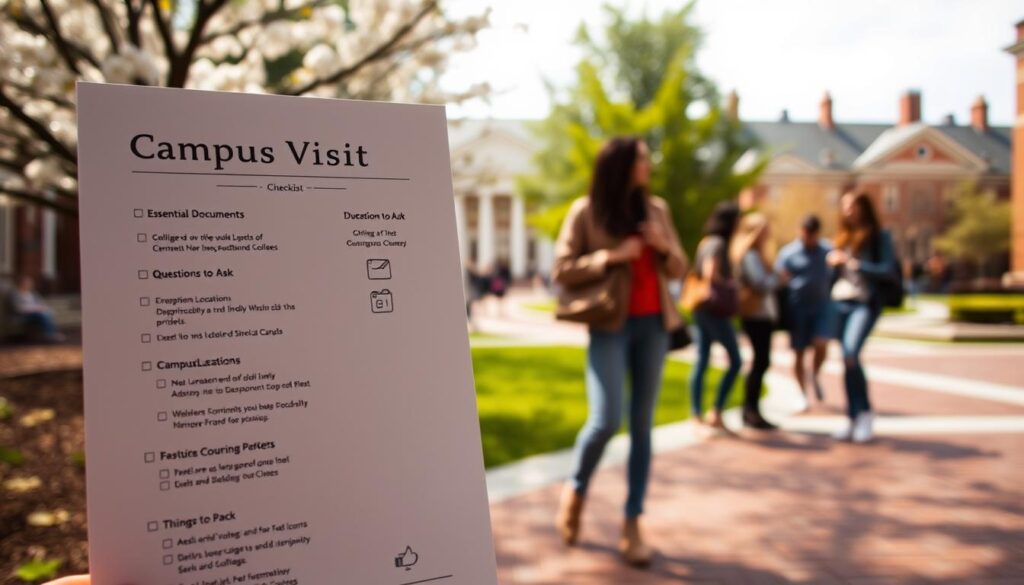
Before visits, prepare a campus visit checklist covering admissions questions, program tours, housing walkthroughs, and meetings with faculty or career counselors. A clear checklist helps families compare campuses and supports informed college decisions.
Develop a Strong Academic Foundation
Building a solid academic base begins with steady habits and clear priorities. Admissions officers value rigor and progression in your transcript, such as Algebra II followed by Precalculus. Students should strengthen reading, writing, and math skills early to handle advanced work better.

Focus on Core Subjects
Doing well in English, math, science, social studies, and a foreign language matters. Taking harder courses shows academic growth. Tools like Khan Academy help fill gaps and support study skills for college success.
Take Advanced Placement Courses
AP courses show rigor and may earn college credit through the College Board’s AP Credit Policy. Choose AP Calculus, AP Biology, AP English Language, or AP U.S. History that fit your strengths and major plans. Balance is important; too many courses without rest can cause burnout.
Colleges also value honors and IB programs. When picking AP classes, consider workload, interest, and long-term goals to prepare well for college.
Maintain a High GPA
Weighted and unweighted GPA show how honors and AP classes affect your average. Admissions look at grade trends. Improving over time helps more than starting strong and dropping. Class rank matters when given.
Strategies include regular study schedules, tutoring from school or places like Sylvan Learning, and using time tools like the Pomodoro method. Stay in touch with teachers for feedback. Track grades and act fast if they slip to protect your record.
| Area | Action | Benefit |
|---|---|---|
| Core Subjects | Follow sequence: Algebra II → Precalculus; Biology → Chemistry | Shows progression and builds foundational skills |
| AP courses | Select 2–4 aligned with strengths; prepare for exams | Demonstrates rigor and may earn college credit |
| GPA Management | Use regular study blocks, tutoring, and teacher check-ins | Improves grades and signals consistent performance |
| Study Techniques | Use Pomodoro, practice problems, and Khan Academy | Enhances retention and supports study techniques for college success |
| College Readiness | Balance course load; track trends and class rank | Aligns coursework with college readiness strategies |
Get Involved in Extracurricular Activities
Active participation outside the classroom helps students apply college preparation tips in real settings. Colleges value consistent commitment more than a long list of one-off events.
Students should pick activities that match their interests and show growth over time.
Join Clubs and Organizations
Select clubs that reflect genuine passions and potential leadership. Student government, debate, Math Club, Science Olympiad, and cultural organizations offer chances to lead projects.
Sustained roles such as president or treasurer carry more weight on applications than brief involvement. This shows responsibility and initiative.
Volunteer in Your Community
Community service shows civic engagement and character. Regular volunteer work at food banks, Habitat for Humanity, hospital programs, or tutoring centers gives strong examples for essays and interviews.
National options like AmeriCorps or partnerships with local nonprofits add credibility. Documenting hours, outcomes, and personal impact strengthens university applications and makes stories more persuasive.
Participate in Sports or Arts
Athletics and arts teach teamwork, discipline, and creative problem solving. Playing sports or joining performing groups builds resilience and time management.
Student-athletes should contact coaches, compile highlight reels, and learn NCAA and NAIA rules. Arts students should create portfolios, enter competitions, and consider summer programs like Juilliard Pre-College or Berklee Summer Programs to boost applications.
Build Relationships with Teachers
Strong connections with teachers shape a student’s path to college. Regular, respectful communication helps students get feedback on grades, course choices, and goals.
These conversations fit practical college preparation tips that ease the transition to higher education.
Seek Guidance and Support
Students should schedule brief meetings with teachers, counselors, and academic advisors to review progress. A meeting every grading period allows discussion of strengths, career interests, and areas for improvement.
Counselors at schools like Boston Latin or Santa Monica High offer tailored university application advice during these check-ins.
Ask for Recommendation Letters
Choose teachers who know the student well when requesting letters, often those in core subjects like English or math. Ask at least one month before deadlines, and provide a resume, activity list, and short statement of goals.
Sharing the college list and deadlines helps teachers tailor their remarks. School counselors write school-wide recommendations for many applications.
Students should confirm how many schools request counselor input and provide records early. These steps strengthen applications.
Attend Office Hours
Use teacher office hours to clarify concepts, get feedback on drafts, and explore advanced coursework. Regular attendance shows commitment and builds rapport.
This often leads to more specific, persuasive recommendation letters. Office-hour visits also support college essay writing tips.
Teachers can critique essays, suggest stronger examples, and help refine tone. Clear, concise revisions make essays more compelling to admissions readers.
Prepare for Standardized Tests
Preparing for college entrance exams needs focus and a clear plan. Students should know which tests each school accepts and set realistic score goals. They should choose study methods that fit their routine.
This section gives practical steps to make test season less stressful and more productive.
Understand Testing Requirements
Admission policies vary. Many colleges are test-optional or test-blind, but others require SAT or ACT scores. Applicants must check each college’s admissions page for policies and deadlines.
Some programs may ask for subject exams or portfolios. Students should confirm if these strengthen applications before spending time on extra exams.
Create a Study Plan
Start preparing months before test day. Use College Board and ACT reports to set target scores based on admitted students. Choose how to prepare—self-study, online platforms like Khan Academy, Magoosh, or in-person tutoring.
Schedule study sessions and focus on weaker sections first. Practice timing, guessing, and section-specific skills. Review progress weekly and adjust the plan as needed.
Take Practice Exams
Take full-length, timed practice tests in realistic settings to build stamina and timing. Use official practice exams from College Board and ACT.org for accuracy.
After each test, study errors and score trends. Focus drills on mistakes. If scores are low, plan more test dates. Eligible students can get fee waivers from College Board.
Explore Financial Aid and Scholarships
Preparing for college is about more than grades and activities. Students who learn about financial aid early gain an advantage in planning costs. This section offers steps to find grants, loans, work-study, and merit aid while keeping college readiness in mind.
Research Available Options
Families should review aid types: federal grants, state grants, scholarships, work-study, and loans. Useful resources include the U.S. Department of Education’s Federal Student Aid materials and College Board tools. Students should check each college’s financial aid page and academic departments for program-specific funding.
Local options matter too. Community foundations, civic groups, and employer scholarships can add to funding. Keep a list of deadlines and eligibility rules when tracking awards.
Fill Out the FAFSA
The FAFSA opens every year on October 1. Completing it opens access to Pell Grants, federal loans, and institutional aid. Collect essential documents like your Social Security number, tax returns, W-2 forms, and untaxed income records first.
Use the IRS Data Retrieval Tool to import tax data and reduce errors. File your FAFSA early for state and institutional priority deadlines. Missing deadlines can cut your chances for need-based aid, so timely submission is vital.
Apply for Scholarships Early
Make a scholarship calendar to track deadlines. Tailor essays to each prompt, request recommendation letters early, and proofread every application carefully. Apply to both national and local scholarships to raise your chances.
High-achieving students should look for competitive awards like those from the Jack Kent Cooke Foundation. Always verify legitimacy before applying. Never pay to apply and beware of offers that seem too good to be true.
| Type of Aid | Source | Typical Eligibility | When to Apply |
|---|---|---|---|
| Federal Grants | U.S. Department of Education | Financial need, FAFSA required | FAFSA opens Oct 1; check state deadlines |
| State Grants | State Higher Ed Agencies | Resident students; varies by state | Follow FAFSA and state cutoff dates |
| Institutional Aid | Colleges and universities | Merit or need-based; policies vary | Admissions and institutional priority dates |
| Scholarships for College | Foundations, employers, nonprofits | Merit, talent, community service, major-specific | Apply year-round; local ones often close early |
| Work-Study | Federal and institutional programs | Demonstrated need via FAFSA | Apply with FAFSA and school employment office |
| Student Loans | Federal and private lenders | Credit and enrollment status affect options | After award letters; compare terms carefully |
Students who combine these tips with steady college readiness steps improve their chances of covering costs. Early research, filing FAFSA promptly, and applying for scholarships create clear paths to fund higher education.
Visit College Campuses
Visiting campuses helps students understand if a school feels like the right fit for them. Use these visits to collect useful tips. This helps sharpen priorities before applying to colleges.
Schedule Campus Tours
Book official tours and info sessions early through the admissions office. Create a checklist with questions about class sizes, faculty access, internships, housing, safety, and career services.
Choose a mix of weekday and weekend visits. Weekdays may allow sitting in on a class. Weekend tours show more student life.
Attend Open House Events
Register for admitted-student days, departmental open houses, and preview events for your chosen field. These events often include faculty panels, financial aid workshops, and chances to network with other applicants.
Watch RSVP deadlines closely. This lets your family reserve sessions important for choosing a major and getting targeted application advice.
Meet with Current Students
Find student ambassadors or clubs for honest views on academics and campus life. Join ambassador programs, panels, or social media groups to talk informally.
Ask about daily workload, balancing classes with activities, housing options, and resources that help new students adapt.
Use notes from tours and student talks when updating your application. Firsthand impressions combined with advice help refine your major and support confident decisions.
Create a College Application Calendar
A clear schedule keeps the process manageable. Students who use a college application calendar cut last-minute stress and meet every school and scholarship date.
Planning lets them balance schoolwork, extracurriculars, and application tasks.
Begin by listing firm dates: early action, early decision, regular decision, FAFSA, and major scholarship deadlines.
Add state and institution-specific cutoffs. Work backward from final submission dates to set internal milestones for drafts, recommendation requests, and test score reports.
Organize application materials in one place. Create folders for transcripts, test scores, personal statements, supplemental essays, recommendation letters, resumes, portfolios, and fee receipts.
Cloud services like Google Drive or Dropbox make sharing with counselors and recommenders simple.
Use a system to track progress. Spreadsheets, Trello boards, and Common App checklists help monitor submission status, confirmation emails, and follow-up items.
Log interviews, additional documentation, and any communications with admissions offices.
Set reminders for college essay writing tips deadlines and for revising drafts. Encourage review cycles: self-edit, peer feedback, then a counselor sweep.
Attention to detail prevents typos and omissions that can hurt an application.
Include university application advice tasks in the calendar. Note when to request official transcripts from the school counseling office.
Verify that test score reporting and fee waivers are submitted well before deadlines.
Maintain a short weekly review to update the college application calendar. Mark completed tasks and flag incomplete items.
Regular checks ensure steady momentum and reduce the chance of missed deadlines.
Track confirmations after submission. Save confirmation emails, screenshots of submitted forms, and payment receipts.
A final review of each application before hitting send ensures completeness and accuracy.
Prepare for College Life
Getting ready for college involves more than just applications. Students should practice routines that mirror campus life. This helps ease the transition to college.
These preparation tips focus on skills and habits that improve academic performance and personal well-being.
Develop Time Management Skills
Start with a digital calendar like Google Calendar. Set a weekly schedule to block study, classes, and breaks. Use the Eisenhower Matrix to prioritize tasks.
Break large projects into smaller, timed steps. Techniques like the Pomodoro method help keep focus. Practicing these habits in senior year reduces stress later.
Learn to Budget Your Finances
Begin by estimating income from allowances, part-time work, or financial aid. List fixed and variable expenses carefully. Track tuition, rent, meals, books, and transportation to build a realistic budget.
Budgeting apps like Mint or YNAB help with monitoring money. Learning about student loan interest and credit-card use avoids common mistakes. Exploring on-campus jobs and work-study rules boosts readiness for campus life.
Practice Healthy Habits and Self-Care
Good sleep hygiene, regular exercise, and balanced meals build a strong base for learning. Students should learn about campus counseling, immunization policies, and emergency procedures before arrival.
Daily stress-management, such as mindfulness and social time, supports mental health. A reliable support network also enhances overall campus life readiness.